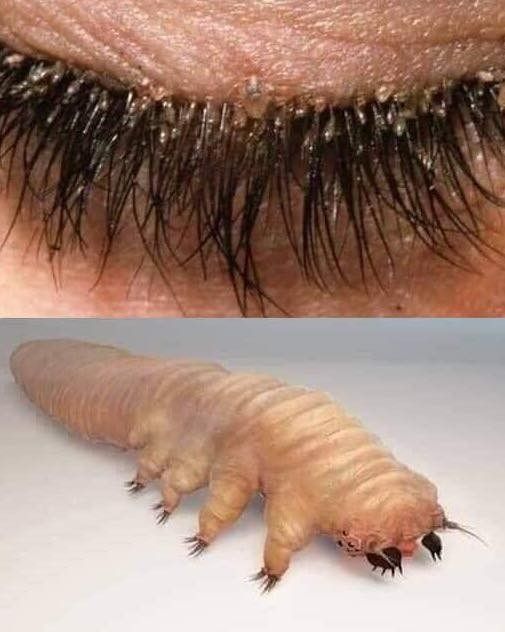
You’ve probably never thought twice about what might be living on your eyelashes — but surprisingly, tiny microscopic mites are extremely common. Known as Demodex mites, these organisms naturally live on human skin and usually cause no problems at all.
Before you panic, it’s important to know this:
Most people have them.
Most people never notice them.
And in many cases, they remain completely harmless.
However, when these mites multiply excessively, they can begin irritating the eyes and eyelids, leading to inflammation, discomfort, and frustrating symptoms that are often mistaken for allergies or dry eyes.
What Are Eyelash Mites?
Demodex mites are microscopic parasites that live inside:
- Hair follicles
- Oil (sebaceous) glands
- Facial skin
- Eyelash follicles
Two main species affect humans:
1. Demodex folliculorum
Lives mainly in hair follicles, especially around the eyelashes and eyebrows.
2. Demodex brevis
Prefers oil glands in the skin.
These mites feed on:
- Dead skin cells
- Oils (sebum)
- Cellular debris
In small numbers, they are considered part of the skin’s natural ecosystem.
Why Do Eyelash Mites Sometimes Become a Problem?
Problems usually happen when the mite population grows too large.
Several factors may increase the risk of overgrowth:
- Aging
- Weakened immune function
- Chronic skin conditions
- Poor eyelid hygiene
- Excess facial oil
- Rosacea
- Stress or illness
Overgrowth can contribute to a condition called blepharitis, which is inflammation of the eyelids.
Common Symptoms of Eyelash Mites
Not everyone with Demodex mites develops symptoms. But when irritation occurs, people may experience:
Eye and Eyelid Symptoms
- Itchy eyelids
- Redness around the eyes
- Swollen eyelids
- Burning or stinging sensations
- Dry eyes
- Watery eyes
- Crusting at the base of the eyelashes
- Feeling like something is stuck in the eye
- Sticky lashes upon waking
Eyelash Changes
- Thinning eyelashes
- Eyelash loss
- Brittle lashes
Other Signs
- Light sensitivity
- Blurry vision from irritation
- Frequent eye discomfort despite using eye drops
One especially common clue is the appearance of cylindrical dandruff-like debris around the lash roots.
How Doctors Diagnose Eyelash Mites
Eye specialists may examine the eyelashes under magnification or remove a few lashes for microscopic evaluation.
Because symptoms often resemble:
- Allergies
- Dry eye syndrome
- Skin irritation
- Bacterial blepharitis
many people go undiagnosed for long periods.
How to Help Manage Eyelash Mites
The good news is that treatment usually focuses on improving eyelid hygiene and reducing excess oil and debris.
1. Clean Your Face Daily
Gentle cleansing is one of the most important habits.
Wash your:
- Face
- Eyelids
- Eyelash area
every day using:
- Mild cleansers
- Fragrance-free products
- Non-irritating formulas
Avoid harsh scrubbing around the eyes.
2. Clean the Eyelids Carefully
Many eye specialists recommend gentle eyelid cleaning to remove debris and oils.
This may include:
- Warm compresses
- Eyelid wipes
- Diluted tea tree oil products specifically designed for eyes
Important: Never apply concentrated tea tree oil directly near the eyes, as it can cause serious irritation.
3. Remove Eye Makeup Thoroughly
Sleeping in makeup can increase oil buildup and irritation.
Always remove:
- Mascara
- Eyeliner
- Eyeshadow
before bed.
Replace old eye makeup regularly to reduce contamination.
4. Wash Bedding Frequently
Demodex mites thrive in oily environments.
Helpful habits include washing:
- Pillowcases
- Towels
- Makeup brushes
- Washcloths
regularly in hot water.
5. Avoid Sharing Eye Products
Never share:
- Mascara
- Eyelash curlers
- Makeup brushes
- Eye drops
Sharing products can spread bacteria and worsen irritation.
When to See an Eye Doctor
You should consider medical evaluation if you experience:
- Persistent eyelid irritation
- Recurrent styes
- Ongoing crusting
- Eyelash loss
- Vision changes
- Eye pain
A healthcare professional can determine whether mites, allergies, infection, or another eye condition may be responsible.
Can Eyelash Mites Be Completely Eliminated?
Not entirely — and they usually don’t need to be.
Demodex mites naturally live on most adults. The goal is not total removal, but maintaining balance so they do not trigger inflammation or irritation.
Final Thoughts
Eyelash mites may sound unsettling, but they are far more common than most people realize. In many cases, they remain harmless and unnoticed throughout life.
When symptoms do appear, simple habits like:
- Gentle eyelid hygiene
- Proper makeup removal
- Clean bedding
- Regular face washing
can often make a significant difference.
Most importantly, persistent eye irritation should never be ignored. What seems like simple dryness or allergies may actually be linked to eyelid inflammation that can be treated effectively with proper care and guidance.