Learning to Forgive
Family secrets can leave complicated emotions behind, particularly when they involve a child’s understanding of their own history.
Gilbert eventually chose to forgive her adoptive mother for keeping the truth from her.
That forgiveness did not mean that the experience had been easy. Instead, it reflected Gilbert’s gradual process of understanding the circumstances, accepting the complexity of her family’s decisions, and finding a way to move forward.
Her story illustrates how healing does not necessarily mean forgetting painful experiences.
Sometimes, it means learning how to carry them differently.
From a Complicated Childhood to Television Stardom


Despite the challenges of her early life, Gilbert went on to build an extraordinary career.
In 1974, she began playing Laura Ingalls Wilder on Little House on the Prairie, a role that would make her one of America’s most recognizable young television stars.
The series ran through 1983, becoming one of the defining family television programs of its era.
For millions of viewers, Gilbert was Laura: energetic, determined, emotional, and fiercely devoted to her family.
But behind the television character was a young actress navigating complicated experiences in her own life.
Her Experiences Shaped Her Perspective
Gilbert’s childhood experiences eventually influenced the way she spoke publicly about subjects such as:
- Adoption
- Family relationships
- Grief
- Mental health
- Suicide prevention
- Healing from painful experiences
Rather than allowing difficult experiences to remain hidden, she became increasingly willing to discuss them publicly.
Her openness has helped make her story about more than celebrity or television history.
It has also become a story about the complicated ways families protect one another—and how those decisions can affect children years later.
A Story of Resilience
One of the most compelling aspects of Gilbert’s life is the contrast between her difficult beginnings and the life she eventually created.
She experienced adoption at birth.
She discovered that parts of her childhood story were inaccurate.
She lost her beloved adoptive father while still young.
And years later, she learned that the circumstances of his death had been different from what she had believed.
Yet those experiences did not prevent her from building a successful career and creating a family of her own.
Instead, she gradually transformed painful experiences into opportunities for understanding and advocacy.
What Melissa Gilbert’s Story Teaches Us
Gilbert’s life is a reminder that people can carry complicated histories without allowing those histories to define their entire future.
Family relationships are rarely as simple as they appear from the outside. Parents sometimes make difficult decisions while believing they are protecting their children. Children may grow up with unanswered questions that only become clear much later.
And grief can change over time.
Something that feels impossible to understand at one stage of life can sometimes become more understandable years later, even if the pain never completely disappears.
Frequently Asked Questions
Who is Melissa Gilbert?
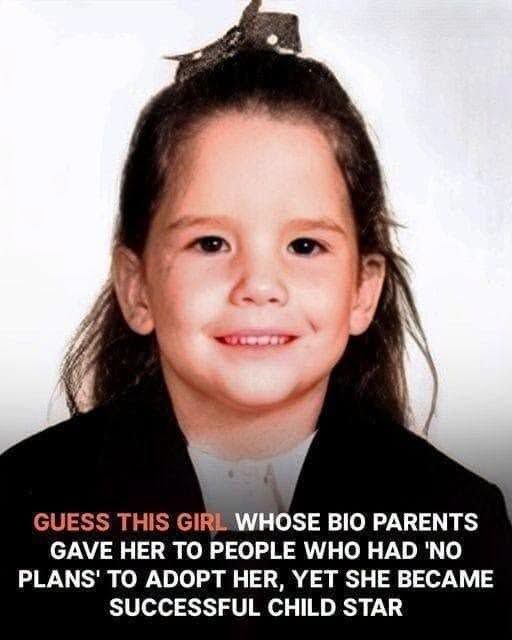
Melissa Gilbert is an American actress best known for playing Laura Ingalls Wilder on Little House on the Prairie, which aired from 1974 to 1983.
Was Melissa Gilbert adopted?
Yes. Gilbert was adopted as a baby by Barbara Crane and Paul Gilbert.
Who were Melissa Gilbert’s biological parents?
Her biological parents were David Darlington and Kathy Wood.
What happened to Melissa Gilbert’s adoptive father?
Paul Gilbert died in 1976. Gilbert later learned that his death had been a suicide, despite initially being told that he had died from a stroke.
What is Melissa Gilbert known for besides acting?
In addition to her acting career, Gilbert has spoken publicly about adoption, family, grief, mental health, and suicide prevention.
Final Thoughts
Melissa Gilbert’s story is much larger than her childhood fame on Little House on the Prairie.
Behind the actress millions of viewers knew as Laura Ingalls was a woman who spent years coming to terms with adoption, family secrets, profound loss, and difficult truths about her childhood.
What makes her story especially powerful is not simply what happened to her, but what she did with those experiences.
She continued forward, built a career and family, and eventually became willing to speak openly about subjects that many people find difficult to discuss.
Her journey is ultimately a reminder that a painful beginning does not have to determine the rest of a person’s life.