Swollen Feet and Ankles: 9 Possible Causes You Shouldn’t Ignore
You wake up expecting an ordinary morning, only to discover that your favorite shoes suddenly feel impossibly tight. Looking down, you notice that your feet and ankles appear swollen, puffy, or stretched. At first, it may seem like a temporary inconvenience caused by a long day, too much standing, or yesterday’s busy schedule.
Sometimes, that is exactly what it is. But persistent or unexplained swelling can also be a sign that something inside the body needs attention.
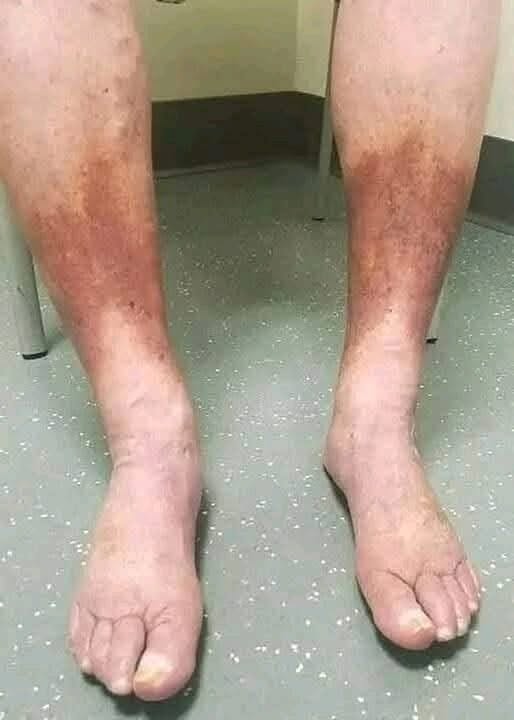
The medical term for swelling caused by excess fluid is edema. Because gravity pulls fluid toward the lower part of the body, the feet and ankles are common places for swelling to appear. Understanding the possible causes—and recognizing warning signs that require medical attention—can help you know when swelling is simply temporary and when it deserves a closer look.
What Is Edema?
Edema occurs when excess fluid collects in the body’s tissues. It can affect the feet, ankles, legs, hands, and other areas.
Common signs include:
- Shoes suddenly feeling tighter
- Socks leaving deeper marks around the ankles
- Puffy feet or ankles
- Skin that appears stretched or shiny
- A temporary indentation after pressing on the swollen area
- Swelling that becomes more noticeable later in the day
Mild swelling can happen after prolonged sitting, standing, travel, exercise, or exposure to hot weather. However, swelling that keeps returning or appears without an obvious explanation may have another cause.
1. Sitting or Standing for Too Long
One of the most common reasons for swollen feet is remaining in the same position for an extended period.
Your calf muscles help push blood from the legs back toward the heart. When you walk, these muscles contract and act somewhat like a pump. Long periods of inactivity reduce this assistance, allowing fluid to accumulate in the lower legs.
This can happen after:
- Long flights
- Extended car journeys
- Desk work
- Standing at work
- Long periods of inactivity
Simple movement breaks can help. Walking for a few minutes, stretching the calves, or rotating the ankles can encourage normal circulation.
2. Eating Too Much Sodium
Your diet can also influence fluid balance.
A high-sodium diet can cause the body to retain additional water. Processed foods, fast food, canned soups, salty snacks, sauces, and many packaged meals can contain substantial amounts of sodium.
If you frequently notice swelling after particularly salty meals, reducing sodium intake may help.
However, don’t assume that every episode of swelling is caused by food. Persistent edema deserves proper evaluation.
3. Hot Weather
Have you ever noticed that your feet or ankles look puffier during a hot summer day?
Heat causes blood vessels near the skin to widen as the body attempts to release heat. This can contribute to fluid moving into surrounding tissues, particularly in the lower legs.
Heat-related swelling is often temporary and may improve after cooling down, moving around, and elevating the legs.
4. An Injury or Inflammation
A swollen ankle after an injury has a much more obvious explanation.
Sprains, strains, bruises, and other injuries can trigger inflammation. The body increases blood flow and sends immune cells and fluid toward the affected area as part of the healing process.
In these cases, swelling is often accompanied by:
- Pain or tenderness
- Bruising
- Reduced movement
- Warmth around the injured area
If the injury is severe, the pain is intense, or you cannot put weight on the affected foot, medical evaluation may be appropriate.
5. Certain Medications
Some medications can contribute to swelling in the legs and ankles.
Examples include certain medications used for:
- High blood pressure
- Diabetes
- Hormonal conditions
- Inflammation
- Pain
If swelling begins shortly after starting a new medication, speak with your healthcare professional rather than stopping the medication on your own.