Engaging Introduction
Most people rarely think about their kidneys—until something goes wrong. These two small organs quietly work around the clock to filter toxins, balance fluids, regulate blood pressure, and support healthy bones and blood. Despite their critical role, kidney health often goes unnoticed until problems become serious.
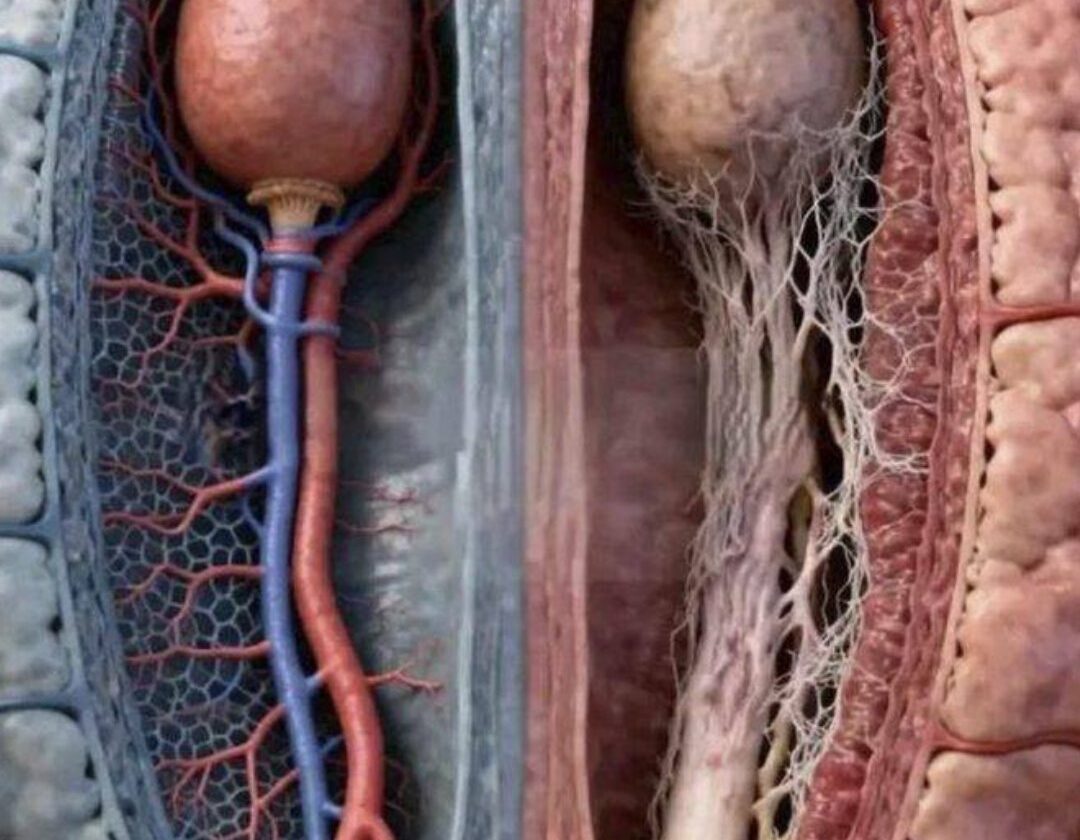
As we age, kidney function naturally declines. After age 40, filtration capacity can slowly decrease, and lifestyle factors like high blood pressure, diabetes, dehydration, and poor diet can accelerate the process. Because kidney disease often develops silently, many people don’t realize anything is wrong until significant damage has already occurred.
Understanding how aging affects your kidneys—and learning simple ways to protect them—can make a huge difference in your long-term health. The good news is that with a few healthy habits, you can support your kidneys and maintain a balanced, healthy lifestyle well into your later years.
Why Kidney Health Matters More With Age
- Kidneys filter about 50 gallons of blood every day
- They remove toxins and excess fluids from the body
- They regulate blood pressure and electrolyte balance
- They produce hormones that help create red blood cells
- They support bone health by regulating vitamin D
Because these organs work constantly, they can become more vulnerable over time—especially when combined with modern lifestyle factors.
Why Kidney Function Declines With Age
Medical research shows that kidney function can decrease by about 1% per year after age 40. By the time someone reaches their 70s or 80s, kidney filtration may be significantly reduced compared to younger years.
This decline is not always harmful on its own, but certain conditions can accelerate the process.
Common risk factors include:
- High blood pressure (damages small kidney blood vessels)
- Diabetes (high blood sugar damages filtering units)
- Chronic dehydration
- Long-term use of NSAIDs like ibuprofen or naproxen
- High-sodium diets
- Smoking or excessive alcohol consumption
Because early kidney disease rarely causes noticeable symptoms, many people are unaware that damage is occurring.
Silent Warning Signs of Kidney Problems
Kidney disease is often called a “silent condition” because symptoms appear only after significant damage has occurred.
Possible early signs include:
- Foamy or bubbly urine (possible protein leakage)
- Swelling in ankles, feet, or hands due to fluid retention
- Persistent fatigue or difficulty concentrating
- Frequent urination, especially at night
- Dry or itchy skin caused by mineral imbalance
- High blood pressure that becomes difficult to control
These symptoms don’t always mean kidney disease, but they should be evaluated by a healthcare professional.
Men over 60 may face slightly higher risk due to conditions like prostate enlargement, hypertension, and heart disease.
Is Kidney Health Linked to Diet?
Yes. Nutrition plays a major role in protecting kidney function.
A balanced diet rich in whole foods helps reduce strain on the kidneys while supporting overall metabolic health. Healthy eating patterns can also help manage the two biggest risk factors for kidney disease: diabetes and high blood pressure.
Many doctors recommend a diet focused on:
- Fruits
- Vegetables
- Lean proteins
- Whole grains
- Healthy fats
Limiting ultra-processed foods, excess sodium, and sugary drinks is especially important.
Calories & Nutrition for Kidney-Friendly Eating
While kidney health is not about calorie counting alone, certain nutrients are particularly important.
Helpful nutrients include:
- Fiber (supports blood sugar control)
- Potassium from whole foods
- Omega-3 fatty acids
- Antioxidants from fruits and vegetables
Foods commonly recommended in kidney-friendly diets include:
- Apples
- Berries
- Grapes
- Cauliflower
- Cabbage
- Garlic
- Fish
- Egg whites
- Olive oil
- Avocados
These foods support overall wellness while reducing metabolic stress.
Tips to Protect Your Kidneys After 50
1. Stay Properly Hydrated
Drinking enough water helps kidneys remove toxins efficiently.
A simple guideline:
Urine should be pale yellow.
Very dark urine may indicate dehydration, while completely clear urine may mean excessive water intake.
2. Reduce Sodium Intake
Too much sodium forces kidneys to work harder and raises blood pressure.
Try to keep sodium intake below 1,500 mg per day if you have hypertension.
Foods high in sodium include:
- Processed snacks
- Fast food
- Deli meats
- Canned soups
3. Control Blood Sugar and Blood Pressure
These two conditions cause about 75% of kidney failure cases.
Healthy targets often include:
- Blood pressure under 130/80 mmHg
- HbA1c under 7% for people with diabetes
Always follow your doctor’s personalized recommendations.
4. Use Pain Relievers Carefully
Frequent use of certain pain medications can strain the kidneys.
Examples include:
- Ibuprofen
- Naproxen
- Other NSAIDs
For occasional pain relief, some doctors suggest acetaminophen if appropriate for your health situation.
5. Eat Kidney-Friendly Foods
A balanced diet that includes plant foods and lean proteins can reduce kidney stress.
Focus on:
Fruits:
- Apples
- Berries
- Grapes
Vegetables:
- Cauliflower
- Cabbage
- Garlic
Healthy fats:
- Olive oil
- Avocado
Try to limit:
- Excess red meat
- Sugary sodas
- Processed cheese products
- Highly processed foods
Medications That May Affect Kidney Health
Certain medications can stress kidney function if used improperly or without monitoring.
Examples include:
- NSAIDs (ibuprofen, naproxen)
- Some antibiotics
- Contrast dye used in imaging tests
- Certain blood pressure medications that require monitoring
Always inform your doctor about all medications and supplements you take.
Simple Tests That Detect Kidney Problems Early
Early detection is one of the most effective ways to prevent serious kidney disease.
Doctors typically use two simple tests:
1. eGFR (Estimated Glomerular Filtration Rate)
A blood test that measures how well your kidneys filter waste.
2. Urine Albumin-to-Creatinine Ratio (UACR)
A urine test that checks for protein leakage.
Adults over 60—or anyone with diabetes, high blood pressure, or family history—should consider regular kidney screening.
FAQ
At what age does kidney function start declining?
Kidney filtration can begin declining gradually after age 40, though many people maintain healthy kidney function well into older age with proper care.
What is the biggest risk factor for kidney disease?
The two leading causes are diabetes and high blood pressure.
How much water should I drink for kidney health?
Hydration needs vary, but urine that is pale yellow is generally a good indicator of adequate hydration.
Can kidney damage be reversed?
Some early kidney issues can improve with lifestyle changes, but advanced kidney disease is often permanent. Early detection is key.
Are kidney problems common after age 60?
Yes, kidney function tends to decline with age, which is why regular screening becomes more important later in life.
You May Also Like
- Best Foods for Heart and Kidney Health
- Early Signs of High Blood Pressure You Shouldn’t Ignore
- 7 Anti-Inflammatory Foods Doctors Recommend
- Healthy Eating Habits After 50
- How to Stay Hydrated for Better Health
Final Thoughts
Your kidneys are among the hardest-working organs in your body, quietly supporting your health every day. Yet because they operate silently, problems can develop without obvious symptoms.
By staying hydrated, managing blood pressure, eating nutrient-rich foods, and getting regular health screenings, you can help protect your kidneys for years to come.
Aging well isn’t just about adding years to life—it’s about protecting the systems that keep your body strong. And when it comes to your kidneys, a little awareness today can prevent major problems tomorrow.