What Happens to the Soul After Cremation? Different Beliefs, Traditions, and Spiritual Views
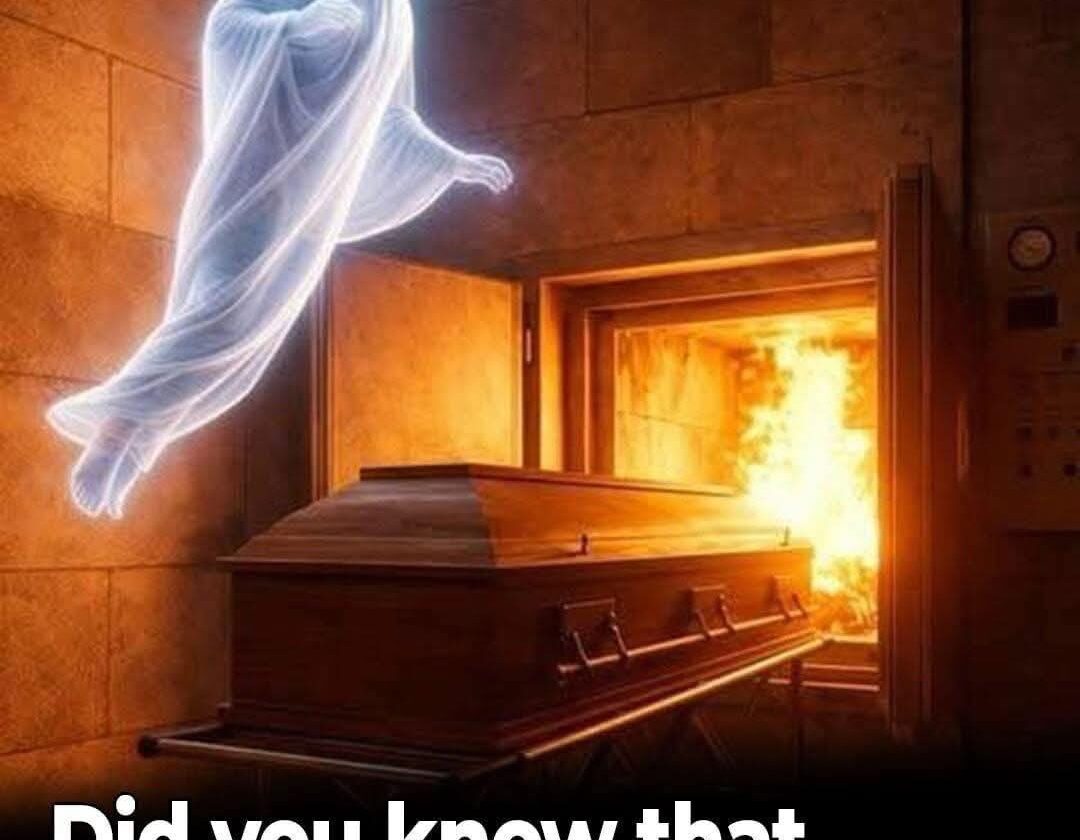
Cremation is the process of reducing a body to ashes through intense heat after death. For many families, it offers a simpler and more affordable alternative to traditional burial. Yet despite becoming increasingly common around the world, cremation still raises difficult emotional and spiritual questions.
One question continues to trouble many people:
What happens to the soul after cremation?
For some, the answer comes from religion.
For others, it comes from personal faith, spirituality, or philosophy.
And while science can explain the physical process of cremation, the mystery of the soul remains deeply personal.
Why So Many People Fear Cremation
Much of the fear surrounding cremation comes from misunderstanding the process itself.
Lauren, a former funeral home worker known on TikTok as @lovee.miss.lauren, gained millions of views after explaining how cremation actually works and answering questions families are often afraid to ask.
One of the most common concerns is:
“How do I know the ashes truly belong to my loved one?”
According to Lauren, crematories use strict identification procedures. When a body arrives, it receives a metal ID tag with a unique registration number. That tag remains with the body throughout the entire cremation process. Afterward, the ashes are carefully sealed and labeled before being returned to the family with official documentation.
Funeral professionals also inspect coffins for items that cannot safely be cremated, including medical devices like pacemakers, which can explode under extreme heat.
Although the process itself follows careful procedures, the emotional and spiritual questions often remain much harder to answer.
What Different Religions Believe About the Soul After Cremation
1. Hinduism: Fire Releases the Soul
In Hinduism, cremation is considered the preferred and most sacred way to handle the body after death.
Hindus believe the soul, known as the atman, is eternal. Death is seen as the soul leaving the physical body and continuing its journey through reincarnation, known as samsara.
Fire plays a deeply spiritual role in this process.
It is believed to purify and release the soul from earthly attachment, helping it move toward its next life.
For many Hindus, cremation is not viewed as destruction, but as a sacred transition.
2. Buddhism: Accepting Impermanence
Buddhism also commonly practices cremation, though its understanding of the soul differs from Hinduism.
Rather than believing in a permanent soul, Buddhism teaches that consciousness continues through cycles of rebirth shaped by karma.
Cremation symbolizes acceptance of impermanence — one of Buddhism’s central teachings.
The body is temporary.
Life changes constantly.
Nothing physical lasts forever.
For Buddhists, cremation can represent peaceful acceptance of the natural cycle of life and death.
3. Christianity: The Soul Lives Beyond the Body
Historically, many Christian traditions preferred burial because of belief in bodily resurrection.
Over time, however, most Christian denominations — including the Catholic Church — came to accept cremation.
Today, Christians generally believe that cremation does not affect the soul’s destiny.
According to Christian belief, the soul is judged by God after death and enters heaven, hell, or a temporary spiritual state such as purgatory, depending on the denomination.
The condition of the physical body is considered far less important than a person’s faith and relationship with God.
For Christians, the soul continues beyond death regardless of whether the body is buried or cremated.
4. Islam: Burial Is Required
In Islam, cremation is strictly forbidden.
Muslim tradition teaches that the body should be buried as quickly as possible after death in a respectful and simple manner.
Islam emphasizes preserving the dignity of the human body, even after life has ended.
Muslims believe the soul leaves the body at death but remains connected to it until the Day of Judgment.
Because of this belief, cremation is viewed as incompatible with Islamic teachings about honoring the deceased.
5. Spiritual and Secular Beliefs
Many people today identify as spiritual rather than religious.
For them, cremation is often seen as a natural return of the body to the earth and universe.
Some believe the soul:
- Continues into another spiritual realm
- Becomes part of the universe
- Lives on through energy and memory
- Remains present through the lives it touched
Others, especially secular thinkers, scientists, and humanists, believe consciousness ends when the brain dies.
In those perspectives, cremation is viewed as a personal, environmental, or practical decision rather than a spiritual one.
Why Cremation Continues to Raise Emotional Questions
Even when families understand the cremation process physically, emotional questions remain difficult.
Many people struggle with thoughts like:
- Does cremation affect the afterlife?
- Can the soul still find peace?
- Is cremation respectful?
- Does love survive after death?
These questions do not have universal answers because every culture, religion, and person approaches death differently.
But one thing remains consistent across nearly every belief system:
The body may disappear, but love, memory, and connection continue.
The Mystery No One Can Fully Answer
No religion, philosophy, or scientific theory can fully explain what happens after death with complete certainty.
For some people, cremation represents liberation.
For others, it conflicts with sacred tradition.
And for many families, it simply becomes the final act of saying goodbye to someone deeply loved.
What happens to the soul afterward remains one of humanity’s oldest and most profound mysteries.
And perhaps that mystery is part of what makes life itself so precious.
Final Thoughts
Cremation is no longer as uncommon or taboo as it once was, but it still carries powerful emotional and spiritual meaning for millions of people around the world.
Whether viewed through faith, tradition, spirituality, or personal belief, one truth remains universal:
Every culture seeks a meaningful way to honor the dead and remember the people they loved.
And in the end, perhaps that act of remembrance matters more than anything else.