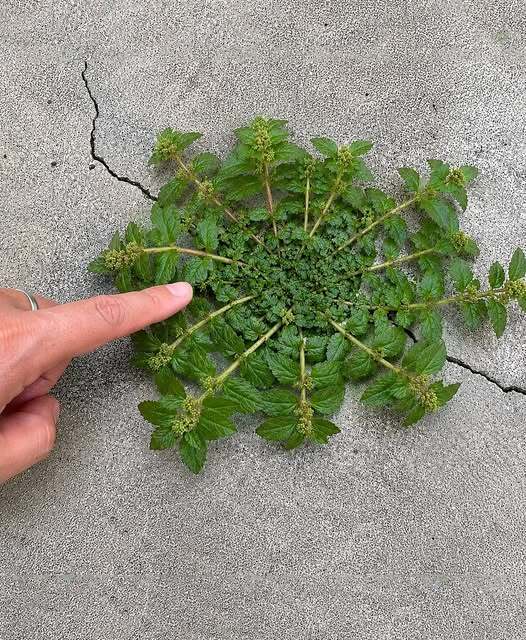
Many people pull it from gardens without a second thought, assuming it’s just another stubborn weed. But the plant commonly known as Santa Lucía herb has been used in traditional herbal practices for generations because of the natural properties people believe it contains.
Found growing along sidewalks, flowerpots, damp soil, and backyards, this small wild plant is easy to recognize by its tiny flowers, green leaves, and the milky white sap released when the stem is broken. Although often overlooked, it has long been prepared as a homemade tea and used in natural wellness routines across many cultures.
Known scientifically as Euphorbia hirta, the plant is sometimes called “asthma-plant” because of its traditional association with respiratory support.
What Is Santa Lucía Herb?
Santa Lucía herb is a small flowering plant that grows naturally in tropical and subtropical climates. In traditional herbal medicine, it has been associated with several properties, including:
- Mild anti-inflammatory effects
- Expectorant support for mucus and coughs
- Digestive comfort
- Diuretic properties
- General wellness support
For generations, families have used the plant in teas and infusions to help ease:
- Mild coughs
- Respiratory congestion
- Stomach discomfort
- Bloating
- Fluid retention
- Occasional digestive heaviness
Some traditional practices also associate the herb with support for circulation and urinary wellness.
Traditional Uses for Respiratory Support
One of the best-known folk uses of Santa Lucía herb involves respiratory health.
Because it is traditionally considered an expectorant herb, many people drink the tea during seasonal illnesses to help:
- Loosen mucus
- Calm throat irritation
- Ease mild coughing
- Support breathing comfort
This traditional reputation is one reason the plant became widely known as “asthma-plant” in some regions.
However, it is important to understand that traditional use does not replace medical treatment for asthma or serious respiratory conditions.
Digestive and Stomach Comfort
Many people use Santa Lucía herb tea after meals as part of traditional digestive routines.
The herb is commonly associated with helping relieve:
- Feelings of heaviness
- Mild bloating
- Occasional stomach discomfort
- Digestive sluggishness
Warm herbal infusions are often valued because they encourage hydration and relaxation, which may also contribute to digestive comfort.
Fluid Balance and Diuretic Reputation
In traditional wellness practices, Santa Lucía herb is sometimes used as a mild natural diuretic.
People believe it may help support:
- Fluid balance
- Urinary flow
- Reduced water retention
Because of this reputation, it is occasionally included in herbal detox routines and natural wellness plans.
Still, experts emphasize that herbs with diuretic effects should be used carefully, especially by individuals with kidney conditions, dehydration risks, or those taking medications.
How Santa Lucía Herb Tea Is Traditionally Prepared
A common traditional preparation involves making a simple herbal infusion.
Basic Tea Preparation
- Wash the leaves, stems, and flowers carefully.
- Add about 1 teaspoon of chopped herb to hot water.
- Let steep for several minutes.
- Strain before drinking.
Many people drink the tea warm, especially during colder weather or when experiencing mild respiratory discomfort.
Important Safety Considerations
Although Santa Lucía herb is widely used in traditional medicine, natural remedies still require caution.
Important reminders:
- Herbal remedies are not automatically risk-free
- Proper plant identification is essential
- Some wild plants can be toxic look-alikes
- Plants collected near roadsides or polluted soil may contain contaminants
People who should consult a healthcare professional before use include:
- Pregnant individuals
- Breastfeeding mothers
- Young children
- People with chronic illnesses
- Anyone taking prescription medications
The milky sap produced by some Euphorbia hirta plants may also irritate sensitive skin in certain individuals.
Traditional Knowledge and Modern Caution
Natural medicine traditions have preserved knowledge about herbs like Santa Lucía for generations. Many families continue using the plant as part of cultural wellness practices and homemade remedies.
At the same time, modern experts encourage balancing traditional knowledge with medical guidance and evidence-based care.
Herbal teas may provide comfort and become part of healthy routines, but they should not replace professional treatment for serious medical conditions.
Final Thoughts
Santa Lucía herb continues to attract attention from people interested in natural wellness and traditional herbal practices. Whether appreciated as a soothing tea, a cultural remedy, or simply a reminder of older generations’ knowledge, the plant remains an important part of many folk traditions.
Like all herbal remedies, the key is thoughtful use:
- Learn proper identification
- Use moderation
- Prioritize safety
- Consult professionals when needed
Sometimes the plants growing quietly in our gardens carry long histories of traditional use — and valuable reminders about the connection between nature, culture, and everyday well-being.