Put a Bay Leaf in Your Mop Bucket: The Simple Cleaning Trick Homeowners Are Trying
Cleaning floors can feel like one of those household chores that never truly ends. Dirt, dust, food crumbs, and everyday footprints quickly take away that freshly cleaned feeling.
But before reaching for another expensive cleaning product, there’s a simple kitchen staple you may already have at home: bay leaves.
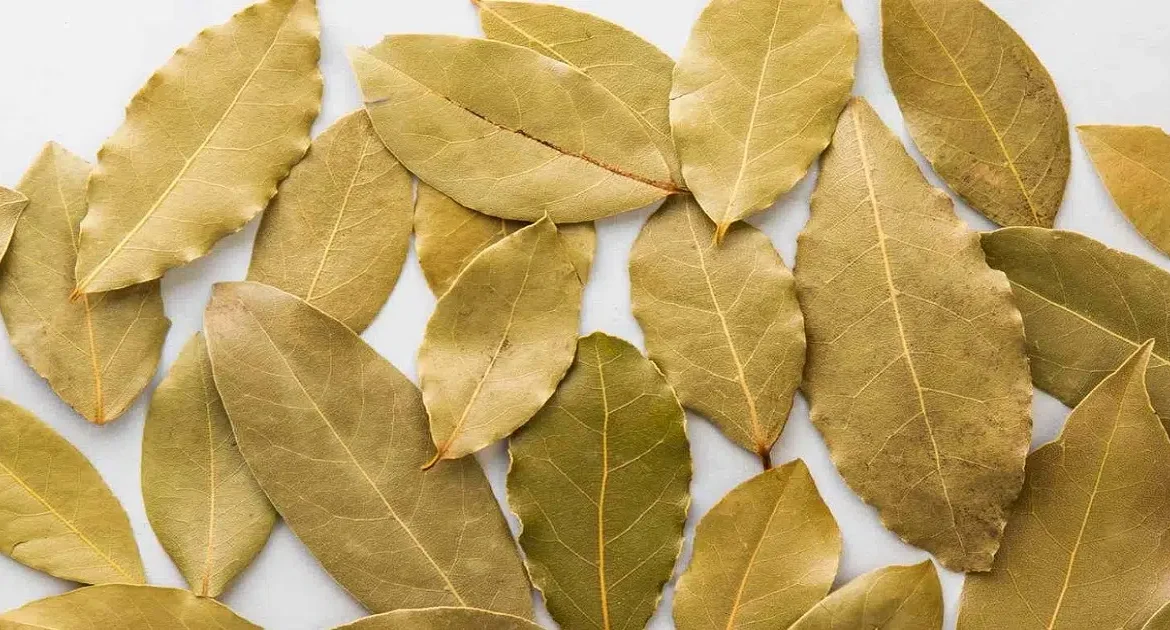
Adding a few dried bay leaves to your mop water is a popular household cleaning trick. The main appeal is their naturally pleasant aroma, although some people also use bay leaves as part of a broader approach to keeping their homes smelling fresh.
Here’s what this simple trick can—and cannot—do.
Why Put Bay Leaves in Mop Water?
Bay leaves contain aromatic compounds that give them their distinctive herbal scent. When placed in warm water, that fragrance can become noticeable, especially while you mop.
However, it’s important to keep expectations realistic. Bay leaves should not be considered a replacement for a properly formulated floor cleaner or disinfectant. Their presence in mop water does not guarantee that bacteria, viruses, or other pathogens will be eliminated.
Still, they can be a pleasant, inexpensive addition to an ordinary cleaning routine.
1. They Can Add a Fresh Herbal Aroma
One of the biggest reasons people enjoy this trick is the smell.
As the leaves sit in warm water, some of their aromatic compounds are released. When you mop, the scent can spread through the room.
If you prefer natural-smelling cleaning routines and don’t enjoy strong artificial fragrances, this may be appealing.
Tip: If you want a stronger aroma, lightly crush the dried leaves before adding them to the bucket.
2. Bay Leaves Contain Natural Plant Compounds
Bay leaves contain naturally occurring compounds that have been studied for antimicrobial activity in laboratory settings.
That sounds impressive, but there is an important distinction:
Laboratory evidence about plant extracts does not mean that putting a few whole bay leaves in mop water disinfects your floor.
For areas where sanitation is particularly important, use a floor cleaner or disinfectant according to its label instructions.
Think of bay leaves primarily as a fragrance and household-cleaning addition, rather than a substitute for an effective disinfectant.
3. What About Bugs and Insects?
Bay leaves are also commonly associated with natural pest-repellent remedies.
Their strong aroma may be unpleasant to some insects, and bay leaf compounds have been investigated for insect-repellent properties.
But placing a few bay leaves in mop water shouldn’t be treated as reliable pest control.
If you’re dealing with an actual infestation, proper pest-management methods are much more dependable.