When Skin Symptoms Could Signal Something More Serious: Understanding Hives and Anaphylaxis
Your skin often sends signals long before the rest of your body fully recognizes that something is wrong.
Most rashes, itching, or redness are harmless and usually result from heat, stress, allergies, dry skin, or irritation. In many cases, these symptoms disappear on their own and are nothing to worry about.
However, some skin reactions can be early warning signs of a more serious immune response happening inside the body.
Knowing the difference can sometimes make all the difference.
When Hives Are More Than Just a Rash
One common skin reaction is urticaria, better known as hives.
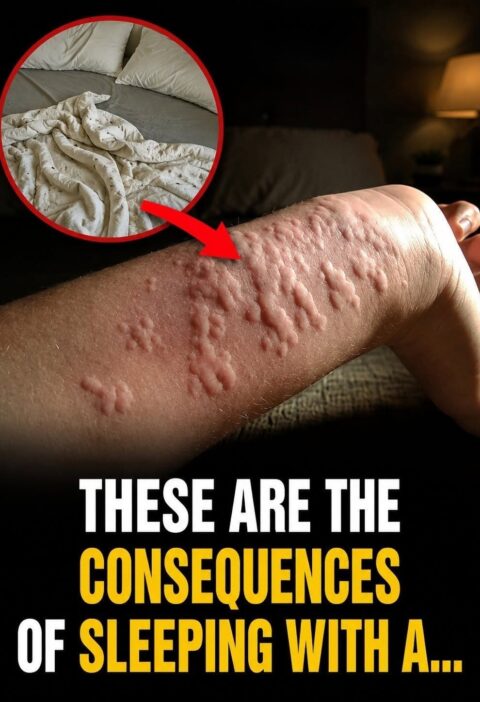
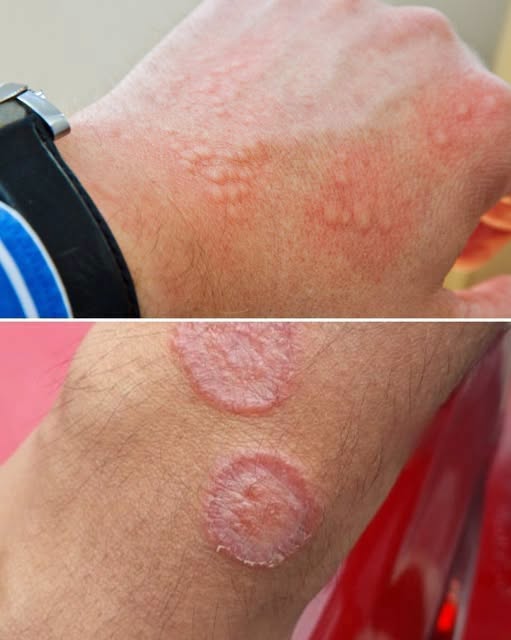
Hives appear as raised, itchy welts that can develop suddenly anywhere on the body. They may vary in size, merge together into larger patches, and often move from one area to another over the course of hours.
For many people, hives are uncomfortable but harmless and disappear without treatment.
The situation becomes more serious when hives occur alongside other symptoms affecting breathing or circulation.
Warning Signs That Require Immediate Attention
Seek urgent medical care if hives are accompanied by:
- Difficulty breathing
- Wheezing or shortness of breath
- Tightness in the throat or chest
- Swelling of the lips, tongue, or face
- Dizziness or lightheadedness
- Fainting
- Rapid heartbeat
- Confusion or weakness
These symptoms may indicate anaphylaxis, a severe allergic reaction that can progress rapidly and become life-threatening.
What Happens During Anaphylaxis?
Anaphylaxis occurs when the immune system releases large amounts of chemicals, including histamine, throughout the body.
These chemicals can trigger several dangerous reactions at the same time:
- Swelling of the airways
- Narrowing of breathing passages
- A sudden drop in blood pressure
- Widespread skin reactions
- Digestive symptoms such as vomiting or abdominal pain
Because multiple body systems are involved simultaneously, symptoms can worsen within minutes.
Prompt treatment is essential.
Why Speed Matters
The standard emergency treatment for anaphylaxis is an injection of epinephrine, which helps reverse airway swelling and improve blood circulation.
Delaying treatment can increase the risk of serious complications.
Anyone experiencing symptoms of anaphylaxis should seek emergency medical care immediately, even if symptoms appear to improve after treatment.
Common Triggers of Severe Allergic Reactions
Triggers vary from person to person but commonly include:
- Peanuts and tree nuts
- Shellfish and seafood
- Eggs and dairy products
- Certain medications
- Insect stings and bites
- Latex
- Environmental allergens
One of the most challenging aspects of severe allergies is their unpredictability.
A person who previously experienced only mild reactions may develop a much stronger reaction during a later exposure.
Most Skin Reactions Are Still Harmless
Although severe allergic reactions deserve attention, it is important to remember that most skin rashes and episodes of itching are not dangerous.
Heat rash, eczema, mild allergies, contact irritation, and viral illnesses remain far more common explanations.
The goal is awareness, not alarm.
Symptoms You Should Never Ignore
Pay close attention if you notice:
- Rapidly spreading hives
- Swelling that worsens quickly
- Tingling or itching around the mouth
- Difficulty swallowing
- Trouble breathing
- A sudden feeling that “something isn’t right”
These symptoms warrant immediate medical evaluation.
Living Safely With Severe Allergies
For individuals with known severe allergies, preparation is essential.
Helpful precautions include:
- Carrying prescribed emergency medication
- Reading ingredient labels carefully
- Informing family, friends, and coworkers about allergies
- Wearing medical identification if recommended by a healthcare professional
- Having an emergency action plan
These simple steps can significantly reduce risk during unexpected exposures.
The Bottom Line
Your skin is more than just a protective covering—it can serve as an important early warning system for what’s happening inside your body.
Most reactions are mild and manageable.
Some, however, require urgent attention.
Recognizing the difference between an irritating rash and the warning signs of a severe allergic reaction can provide valuable time to seek help and receive treatment.
Awareness, preparation, and prompt action remain the best tools for staying safe.