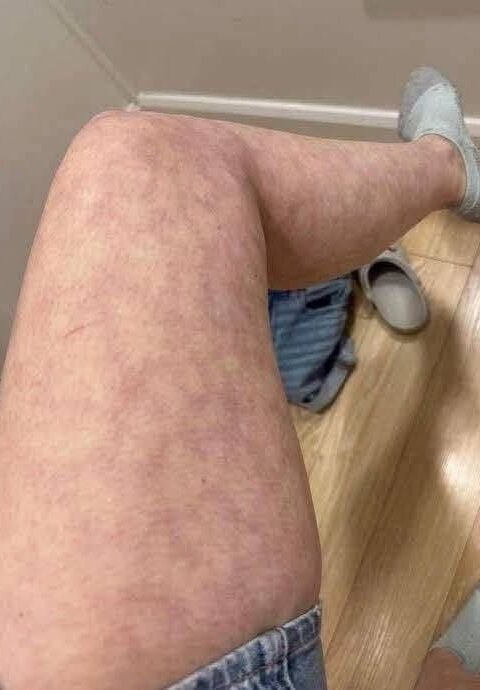
Waking Up With Itchy Bumps? Here’s How to Tell If Bed Bugs Could Be the Cause
Subtitle: Waking up with itchy, swollen bumps can be alarming. While mosquito bites, allergic reactions, and other skin conditions can cause similar symptoms, bed bugs are one possible culprit—especially if the bites appear repeatedly after sleeping. Here’s how to recognize the signs, inspect your home, and know when to seek professional help.
The Morning I Started Looking for Answers
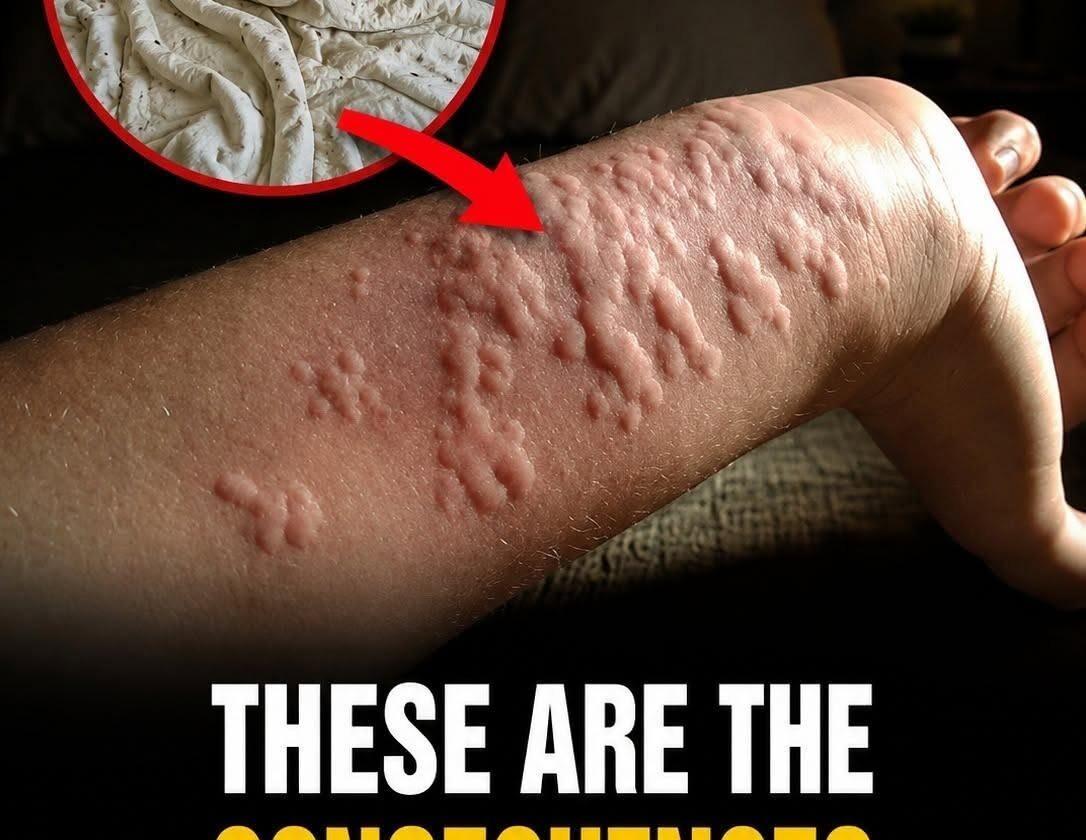
I still remember waking up one morning with several itchy red bumps on my arm. At first, I assumed they were mosquito bites. But after the same thing happened several mornings in a row, I knew something wasn’t right.
Curious and concerned, I started researching possible causes. That’s when I learned about bed bugs—tiny insects that can hide in bedrooms for weeks or even months before they’re discovered.
Fortunately, learning the warning signs can help you catch an infestation early and take the right steps to eliminate it.
What Are Bed Bugs?


Bed bugs (Cimex lectularius) are:
- Small, reddish-brown insects about the size of an apple seed
- Wingless and unable to fly
- Active mainly at night
- Feed on human blood while people sleep
- Excellent at hiding in tiny cracks and crevices
Contrary to popular belief, bed bugs are not caused by poor hygiene. Even very clean homes and hotels can become infested.
Common Signs of Bed Bugs
If you’re waking up with unexplained bites, look for these warning signs:
1. Itchy Bites
Bed bug bites often:
- Appear overnight
- Cause itching
- Become swollen or red
- May appear hours or even days after being bitten
2. Bites in Lines or Clusters
One classic pattern is several bites arranged in a line or grouped closely together.
However, not everyone reacts the same way. Some people develop large itchy welts, while others show almost no visible reaction.
3. Tiny Dark Spots on Bedding
Small black or dark brown dots on sheets or mattresses may be bed bug droppings.
4. Small Blood Stains
Tiny blood spots can occur if a recently fed bug is accidentally crushed during sleep.
5. Shed Skins and Eggs
As bed bugs grow, they shed their outer skin several times.
You may also find:
- Pale yellow eggs
- Eggshells
- Tiny translucent skins
6. Musty Odor
Heavy infestations sometimes produce a sweet, musty smell.
Where Bed Bugs Hide


Inspect carefully around:
- Mattress seams
- Mattress labels
- Box spring
- Bed frame joints
- Headboard
- Cracks in furniture
- Baseboards
- Nightstands
- Upholstered furniture
Use a flashlight during inspection since bed bugs hide in narrow spaces.
How to Get Rid of Bed Bugs
Getting rid of bed bugs usually requires several steps.
1. Wash Bedding
Wash:
- Sheets
- Pillowcases
- Blankets
- Mattress covers
- Clothing near the bed
Use the hottest water that the fabric allows.
Dry everything on high heat, since heat is effective at killing bed bugs and their eggs.
2. Vacuum Thoroughly
Vacuum:
- Mattress
- Box spring
- Bed frame
- Baseboards
- Carpets
- Furniture
After vacuuming:
- Seal the vacuum contents in a plastic bag.
- Dispose of it outside your home.
3. Reduce Clutter
Bed bugs love hiding places.
Reducing clutter makes treatment much more effective.
4. Encase Your Mattress
Special bed bug-proof mattress and box spring encasements trap existing bugs inside and prevent new ones from hiding there.
5. Consider Professional Treatment
Large infestations are often difficult to eliminate with DIY methods alone.
Professional pest control companies may use:
- Heat treatments
- Approved insecticides
- Multiple inspections
- Follow-up treatments
Because bed bugs are highly resilient, professional treatment is often the fastest and most effective solution.
How to Prevent Bed Bugs
Simple habits can reduce your risk.
Inspect Hotel Rooms
When traveling:
- Check mattress seams.
- Inspect the headboard.
- Keep luggage off the bed.
- Use luggage racks when available.
Inspect Used Furniture
Before bringing secondhand furniture home:
- Check seams and cushions carefully.
- Look for dark spots or shed skins.
Protect Your Bed
Using mattress encasements makes inspections easier and reduces hiding places.
Reduce Clutter
The fewer hiding places available, the easier it is to detect problems early.
Other Causes of Itchy Bumps
Not every itchy bump is caused by bed bugs.
Other possibilities include:
- Mosquito bites
- Flea bites
- Allergic reactions
- Contact dermatitis
- Hives
- Eczema
- Scabies
- Other insect bites
If you’re unsure, a healthcare professional can help determine the cause.
Frequently Asked Questions
Are bed bugs dangerous?
Bed bugs are not known to spread diseases to humans, but their bites can cause itching, allergic reactions in some people, and significant stress or sleep disruption.
Can you see bed bugs?
Yes. Adult bed bugs are visible to the naked eye and are roughly the size of an apple seed.
Do bed bugs only live in dirty homes?
No. Bed bugs can infest clean and dirty environments alike. They spread mainly by hitchhiking on luggage, clothing, furniture, and other belongings.
Will washing sheets eliminate bed bugs?
Washing and drying bedding on high heat helps kill bed bugs on those items, but it usually won’t eliminate an entire infestation because bugs often hide elsewhere in the room.
When should I call a professional?
If you continue finding new bites, discover live bed bugs, or the infestation appears widespread, professional pest control is often the most effective solution.
Final Thoughts
Discovering unexplained bites can be unsettling, but early detection makes a significant difference. If you suspect bed bugs, inspect your sleeping area carefully, wash bedding using high heat, vacuum thoroughly, and don’t hesitate to seek professional help if the problem persists.
The good news is that with prompt action and the right treatment, bed bug infestations can be successfully eliminated, allowing you to sleep comfortably again.