
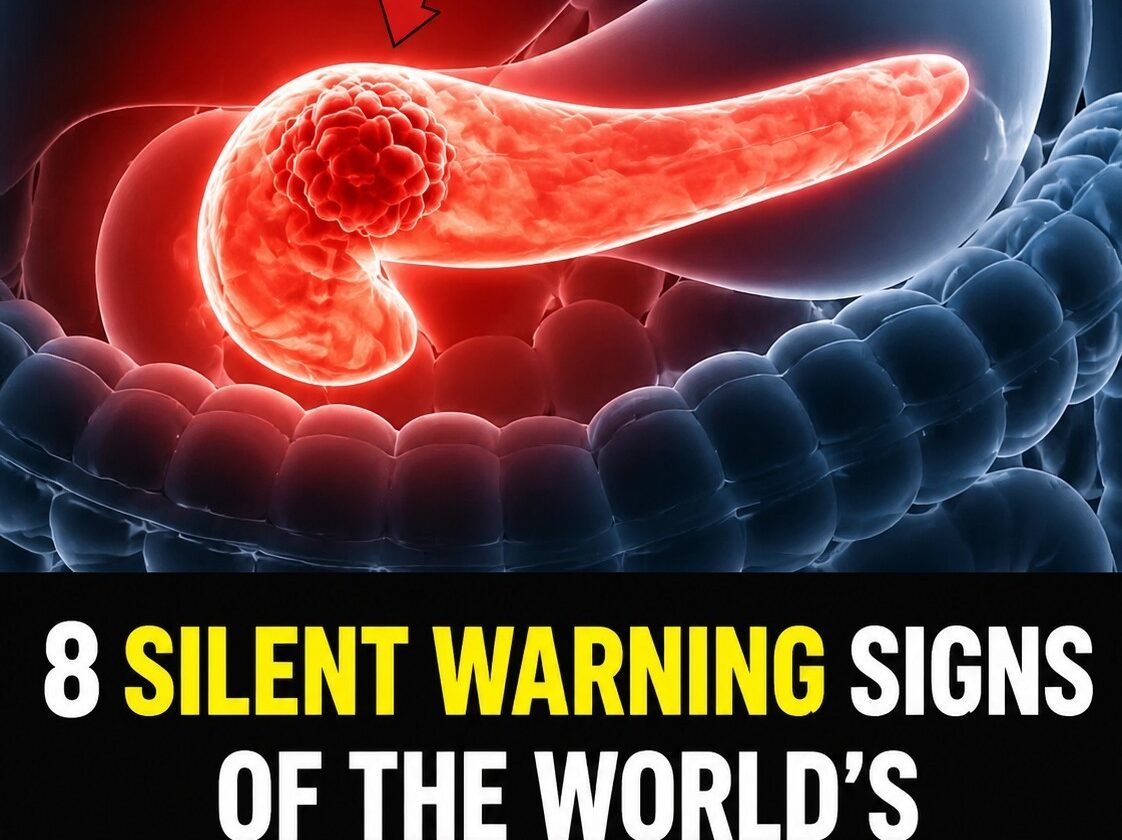
8 Early Warning Signs of Pancreatic Cancer Many People Ignore
Imagine waking up every morning exhausted for no clear reason. Meals that once felt normal suddenly leave you bloated or nauseated. Your clothes fit differently, your energy disappears, and strange changes in your body begin showing up one by one.
Most people brush these symptoms aside.
“Stress.”
“Getting older.”
“Probably something I ate.”
But sometimes, these subtle signals point to something far more serious: pancreatic cancer.
Often called one of the deadliest forms of cancer, pancreatic cancer is especially dangerous because it rarely causes obvious symptoms in its early stages. By the time many people realize something is wrong, the disease has already spread.
That’s why awareness matters.
The good news is that the body often sends warning signs long before the illness reaches advanced stages. Recognizing those signals early may help someone seek medical attention sooner — and early detection can make a major difference in treatment options.
Why Pancreatic Cancer Is So Difficult to Detect
The pancreas is a small organ hidden deep behind the stomach. Even though it’s small, it performs two essential jobs:
- Producing digestive enzymes that help break down food
- Regulating blood sugar through hormones like insulin
Because the pancreas sits deep inside the body, tumors can grow quietly for months — sometimes years — without causing noticeable symptoms.
Many early signs are vague and easy to confuse with common problems like:
- Acid reflux
- Indigestion
- Aging-related fatigue
- Gallbladder issues
- Diabetes
- Stress-related digestive problems
That’s what makes pancreatic cancer so dangerous: the symptoms often seem harmless at first.
1. Pale, Greasy Stools and Extreme Fatigue
One of the earliest digestive clues may appear in the bathroom.
You might notice stools that are:
- Pale or gray
- Greasy or oily
- Floating
- Extremely foul-smelling
At the same time, overwhelming fatigue may begin to take over — the kind of exhaustion that doesn’t improve with sleep.
This can happen because the pancreas is no longer producing enough digestive enzymes to properly absorb fats and nutrients. Without proper nutrition, the body becomes depleted, leading to weakness and exhaustion.
Many people blame diet or aging. But persistent symptoms deserve medical attention.
2. Digestive Pain After Fatty Foods
Does greasy or rich food suddenly make you feel:
- Bloated
- Nauseated
- Heavy
- Uncomfortable
even though it never bothered you before?
The pancreas plays a critical role in digesting fats. When tumors interfere with enzyme production, fatty meals become harder for the body to process.
Occasional indigestion is normal.
Repeated discomfort after eating fatty foods is not something to ignore.
3. Persistent Itching Without a Rash
This symptom surprises many people.
Unexplained itching — especially on the:
- Hands
- Feet
- Arms
- Entire body
can occur even when there’s no visible rash.
Why?
Pancreatic tumors can block bile ducts, causing bile salts to build up in the bloodstream. These substances irritate the skin from the inside out.
Many people assume it’s dry skin or allergies.
But persistent itching without a clear cause should always be evaluated.
4. Brain Fog and Vision Changes
The pancreas helps regulate blood sugar levels through insulin production.
When this balance becomes disrupted, symptoms may include:
- Blurred vision
- Trouble concentrating
- Brain fog
- Forgetfulness
- Light sensitivity
These changes are often dismissed as stress or aging, but sudden cognitive or visual symptoms can sometimes signal blood sugar instability related to pancreatic disease.
5. Rapid, Unexplained Weight Loss
Unexpected weight loss is one of the most common warning signs.
Losing:
- 10 pounds
- 15 pounds
- Or more
without trying may indicate the body is no longer absorbing nutrients properly.
Even if someone is eating normally, the body can begin starving because digestion is impaired.
Unfortunately, some people initially celebrate sudden weight loss without realizing it may signal a serious medical problem.
6. Dark Urine and Pale Stools
Changes in body waste can reveal hidden digestive problems.
People with pancreatic cancer may notice:
- Dark brown or tea-colored urine
- Pale or clay-colored stools
This happens because blocked bile ducts prevent bile from reaching the intestines normally. Instead, bilirubin builds up in the bloodstream and spills into the urine.
These symptoms often appear alongside itching or jaundice.
7. Jaundice
Jaundice is one of the clearest warning signs.
It can cause:
- Yellowing of the skin
- Yellowing of the eyes
- Sometimes yellowing of the palms or soles
This occurs when tumors block normal bile flow.
Important: jaundice is never considered normal — even when it’s painless.
Any yellowing of the skin or eyes requires prompt medical evaluation.
8. Mild Upper Abdominal or Back Pain
Early pancreatic cancer may cause a dull ache in the:
- Upper abdomen
- Mid-back
- Area beneath the ribs
The discomfort may:
- Come and go
- Feel worse when lying down
- Improve slightly when leaning forward
Because the pain often starts mildly, many people ignore it for months.
Who Is Most at Risk?
Several factors significantly increase the risk of pancreatic cancer, including:
- Age over 65
- Smoking
- Obesity
- Long-term diabetes
- Heavy alcohol use
- Chronic pancreatitis
- Family history of pancreatic cancer
People with multiple risk factors should pay especially close attention to persistent symptoms.
Simple Ways to Support Pancreatic Health
While no lifestyle habit can completely prevent cancer, healthy routines may help support overall wellness.
✔️ Track Persistent Symptoms
Keep notes about:
- Fatigue
- Weight changes
- Digestive problems
- Pain patterns
- Stool or urine changes
✔️ Eat More Whole Foods
Focus on:
- Vegetables
- Fruits
- Whole grains
- Lean proteins
while limiting heavily processed foods.
✔️ Exercise Regularly
Movement supports:
- Healthy weight
- Blood sugar balance
- Reduced inflammation
✔️ Avoid Smoking
Smoking remains one of the biggest pancreatic cancer risk factors.
✔️ Schedule Regular Checkups
Especially if symptoms last longer than two weeks.
When Should You See a Doctor?
Seek medical advice if:
- Multiple symptoms appear together
- Symptoms persist beyond two weeks
- Weight loss becomes noticeable
- Jaundice develops
- Digestive symptoms worsen
- Pain becomes persistent
Doctors may recommend:
- Blood tests
- Imaging scans
- Specialist referrals
- Additional digestive evaluations
Earlier conversations can sometimes lead to earlier diagnosis.
Final Thoughts
Pancreatic cancer is especially dangerous because it often develops silently. But the body frequently provides warning signs long before the disease reaches advanced stages.
Symptoms like:
- Unexplained fatigue
- Digestive problems
- Jaundice
- Weight loss
- Persistent abdominal pain
- Itching
- Brain fog
should never be ignored when they continue or appear together.
Awareness is not about panic.
It’s about paying attention to the body and knowing when something feels different.
Sometimes, recognizing subtle changes early can make all the difference.