Engaging Introduction:
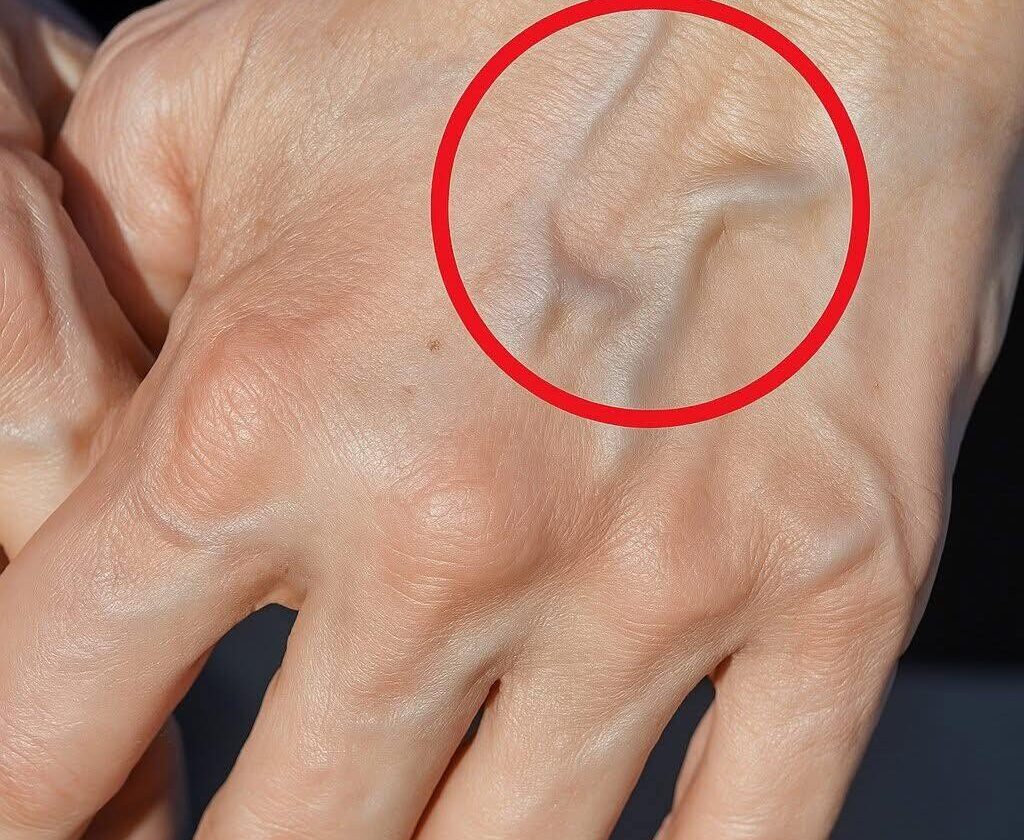
Noticing veins that suddenly appear or become more visible can feel alarming. One day everything looks normal, and the next, you’re wondering if your body is trying to tell you something serious. The truth is, visible veins are often completely harmless—but in some cases, they can signal underlying health concerns that shouldn’t be ignored.
This guide is designed to give you clarity without fear. Whether you’re focused on healthy living, managing your body as part of a weight loss journey, or simply staying informed, understanding your veins can help you make smarter decisions about your health. Let’s break down what’s normal, what’s not, and when it’s time to seek medical advice.
Why You’ll Love This Guide:
- ✔️ Easy-to-understand explanations backed by medical insight
- ✔️ Helps you distinguish normal vs. concerning symptoms
- ✔️ Focused on preventive health and early detection
- ✔️ Supports a healthy lifestyle and body awareness
- ✔️ Reduces anxiety with clear, actionable guidance
Understanding Visible Veins: What’s Normal?
Visible veins often happen due to completely natural reasons, including:
- Exercise (increased blood flow)
- Heat (blood vessels expand to cool the body)
- Aging (thinner skin and reduced elasticity)
- Low body fat (less tissue covering veins)
- Genetics
- Pregnancy
- Long periods of sitting or standing
In many cases, these changes are temporary and harmless. If your veins appear after a workout or on a hot day and then fade, that’s usually a normal physiological response.
When Visible Veins Might Signal a Health Issue
Sometimes, prominent veins are linked to medical conditions such as:
- varicose veins – enlarged, twisted veins that may cause aching or heaviness
- phlebitis – inflammation causing redness and tenderness
- deep vein thrombosis (DVT) – a serious condition involving blood clots, usually in the legs
These conditions require attention, especially if symptoms worsen or appear suddenly.
🚨 Red Flags: When to Worry
Seek medical care if you notice:
- Sudden swelling in one leg or arm
- Pain, cramping, or tenderness
- Warmth or redness over a vein
- Skin discoloration (red, purple, or brown)
- Veins appearing suddenly on the chest or abdomen
- Shortness of breath or chest pain (possible emergency)
👉 These symptoms could indicate something serious like a blood clot and should not be ignored.
Is This a Healthy Concern?
For most people, visible veins are not a sign of poor health. In fact, athletes and active individuals often have more noticeable veins due to efficient circulation.
However, if you’re focused on healthy living or weight loss, it’s important to pay attention to sudden or unexplained changes. Your body often gives early signals when something isn’t right.
Tips for Healthy Circulation:
Supporting your vascular health doesn’t require complicated steps:
- Stay active with daily walking or exercise
- Avoid sitting or standing for long periods
- Elevate your legs when resting
- Stay hydrated
- Maintain a healthy weight
- Consider compression socks if you stand a lot
These habits support circulation and can reduce your risk of developing vein-related issues.
Prevention & Lifestyle Habits:
Healthy veins are supported by consistent daily habits:
- Move every 30–60 minutes if you sit a lot
- Eat a balanced diet rich in nutrients
- Avoid tight clothing that restricts blood flow
- Quit smoking (if applicable)
- Monitor any changes in your body
Small lifestyle changes can make a big difference over time.
FAQ Section:
1. Are visible veins always a sign of poor circulation?
No. Many people with visible veins have completely normal and healthy circulation.
2. Can exercise cause veins to appear suddenly?
Yes. Increased blood flow during exercise can make veins temporarily more visible.
3. When should I see a doctor?
If you notice pain, swelling, discoloration, or sudden changes, it’s best to get checked.
4. Can visible veins go away on their own?
Yes, especially if caused by heat, exercise, or temporary factors.
5. Is deep vein thrombosis dangerous?
Yes. DVT is a serious condition that requires immediate medical attention.
You May Also Like:
- Early Signs of Poor Circulation You Shouldn’t Ignore
- Healthy Habits for Better Heart Health
- Easy Ways to Improve Blood Flow Naturally
- Signs Your Body Is Lacking Essential Nutrients
- When to Worry About Leg Pain or Swelling
- Simple Daily Habits for Long-Term Health
Final Thoughts:
Visible veins are often just a natural part of how your body works—not something to fear. But your awareness matters. Paying attention to changes, especially sudden or painful ones, can help you catch potential issues early.
Your body is always communicating. The goal isn’t to panic—it’s to listen, understand, and take action when needed.