Uneven Tan? A Dermatologist Explains What Those Small White or Red Spots May Mean
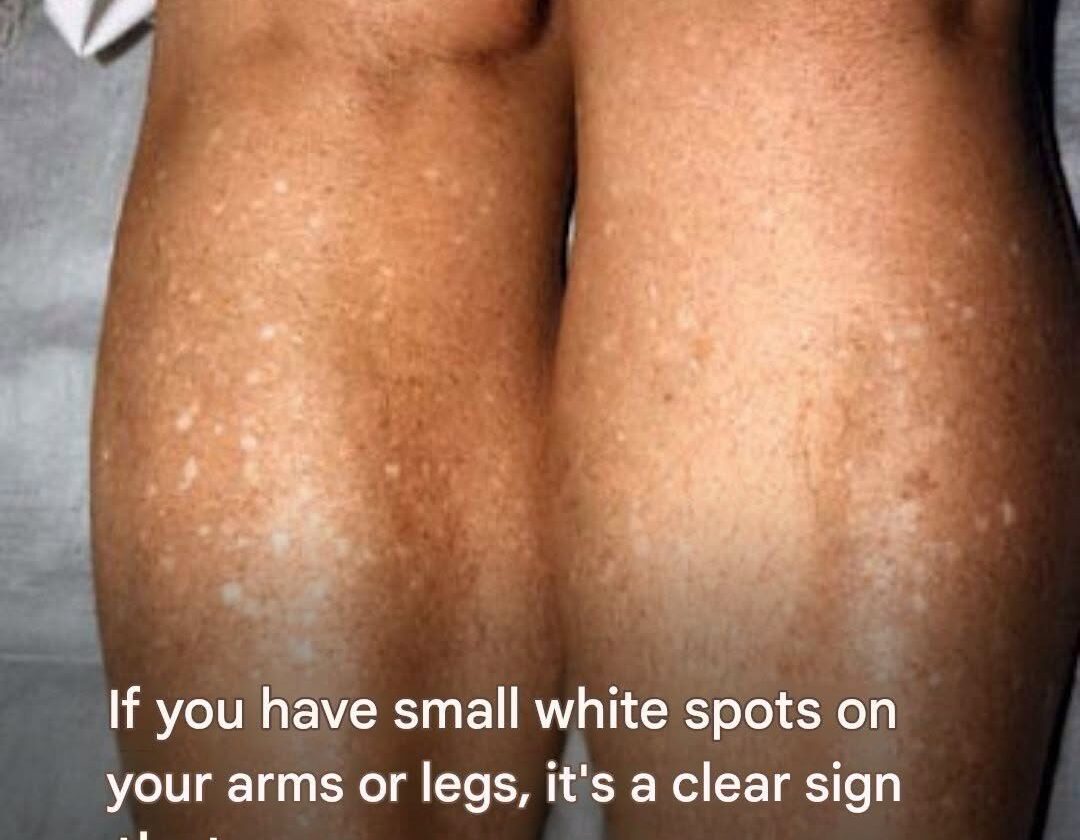
Have you ever looked in the mirror after spending time in the sun and noticed that your tan isn’t as even as you expected? Instead of an even golden glow, you may see small white, pink, or reddish spots appearing across your shoulders, back, chest, or arms.
While these spots can be surprising, they aren’t always a sign of something serious. One possible cause is tinea versicolor (pityriasis versicolor), a common skin condition associated with an overgrowth of a yeast that normally lives on the skin.
Why Do White Spots Become More Visible After Tanning?
Our skin is home to a complex community of microorganisms known as the skin microbiome. Most of them are harmless and play an important role in maintaining healthy skin.
One of these microorganisms is a type of yeast called Malassezia. Under certain conditions, it can multiply more than usual and contribute to tinea versicolor.
The condition can become especially noticeable after sun exposure.
Why?
Because the affected areas may not tan in the same way as the surrounding skin. As the rest of your skin becomes darker, the lighter patches can stand out more clearly.
The spots may appear:
- White or lighter than the surrounding skin
- Pink or reddish
- Tan or brown in some people
- Slightly scaly or dry
- More noticeable after sun exposure
Tinea versicolor commonly affects the chest, back, shoulders, upper arms, and neck, although it can occur elsewhere.
What Causes Tinea Versicolor?
Tinea versicolor isn’t caused simply by being dirty or failing to wash your skin.
The yeast involved is normally present on healthy skin. Problems can occur when environmental or personal factors create conditions that allow it to grow excessively.
Warm, humid weather can encourage its growth, which is one reason the condition may be more noticeable during the summer.
Other factors that may contribute include:
- Sweating heavily
- Hot and humid climates
- Oily skin
- Hormonal changes
- A weakened immune system
- Certain medications
Importantly, tinea versicolor is not the same thing as a sunburn, and the lighter patches aren’t simply areas where your sunscreen didn’t work.
Is Tinea Versicolor Contagious?
Despite its appearance, tinea versicolor generally isn’t considered a contagious infection.
The yeast responsible is normally found on human skin, so you don’t typically develop the condition simply because you caught it from another person.
That said, the condition can return even after successful treatment because the yeast naturally lives on the skin.
What Does Tinea Versicolor Feel Like?
For many people, the spots cause few or no symptoms.
However, some people experience:
- Mild itching
- Fine scaling
- Dryness
- Increased sensitivity in the affected areas
The appearance can vary significantly depending on your natural skin tone.
On lighter skin, the patches may appear pink, red, or brown. On darker skin, they may appear lighter or darker than the surrounding skin.
How Is Tinea Versicolor Treated?
Treatment usually focuses on reducing the excessive yeast on the skin.
Depending on the severity and location, healthcare professionals may recommend topical antifungal treatments, such as antifungal creams, lotions, shampoos, or washes.
Common active ingredients used for tinea versicolor include ketoconazole, selenium sulfide, and certain other antifungal medications.
The appropriate treatment depends on the individual, so it’s best to speak with a dermatologist or other qualified healthcare professional if you’re unsure what is causing the spots.
One important thing to understand is that treatment may eliminate the excess yeast without immediately restoring the skin’s normal color.
Why Are the White Spots Still There After Treatment?
This can be confusing.
Even after successful treatment, the lighter or darker patches may remain visible for weeks or sometimes months while the skin gradually returns to its normal pigmentation.
That doesn’t necessarily mean the treatment failed.
The color of the skin can take considerably longer to normalize than the underlying infection.
It’s also possible for tinea versicolor to come back, particularly in warm and humid conditions.
Should You Keep Tanning to Make the Spots Match?
No.
Trying to tan the surrounding skin more deeply isn’t a good way to treat uneven pigmentation.
Excessive ultraviolet exposure can cause sunburn, premature skin aging, and increase the risk of skin cancer.
If you’re spending time outdoors, use broad-spectrum sunscreen and follow standard sun-protection measures such as seeking shade and wearing protective clothing.
When Should You See a Dermatologist?
Not every white or red spot is tinea versicolor.
Several other skin conditions can cause changes in pigmentation, including vitiligo, post-inflammatory changes, certain fungal infections, eczema, and other dermatological conditions.
That’s why self-diagnosing based solely on photographs or descriptions can be unreliable.
Consider seeing a dermatologist if:
- The spots are spreading
- They continue to appear despite treatment
- They are painful or significantly itchy
- The skin is inflamed or changing rapidly
- You’re unsure whether the spots are caused by tinea versicolor
- Over-the-counter treatment doesn’t improve the condition
A dermatologist can examine the affected skin and, when necessary, perform tests to determine the cause.
The Bottom Line
Small white, pink, or reddish spots that become more noticeable after tanning can have several causes. Tinea versicolor is one common possibility, particularly when the patches occur on areas such as the chest, back, shoulders, or upper arms and have fine scaling.
The good news is that tinea versicolor is generally treatable. However, restoring normal skin color can take time even after the underlying yeast overgrowth has been controlled.
If you’re unsure what is causing new or changing spots on your skin, a dermatologist can provide the most accurate diagnosis and recommend the appropriate treatment.
Your skin doesn’t have to look perfectly even to be healthy—and when something changes, getting the right diagnosis is far more useful than simply trying to tan over it.